A Guide to Farrow and Ball Blue Paint Shades


Intro
When it comes to creating a serene and inviting atmosphere in your home, the choice of color plays an instrumental role, particularly hues of blue. With a palette that speaks to the soul, Farrow and Ball has become synonymous with quality and craftsmanship in interior design. This guide aims to unravel the spectrum of blue shades offered by Farrow and Ball, laying bare their distinct characteristics and potential applications in various settings.
Why focus on blue? Emotionally, blue shades have a calming effect, often used to inspire tranquility and relaxation. This makes it ideal for spaces like bedrooms and living areas, where one seeks comfort and peace. While many people might think blue is simply blue, Farrow and Ball breaks that stereotype. Their shades evoke different moods and can drastically alter the character of a room.
In these sections, we will dive deep into design inspirations, looking at the most trendy styles and effective color palettes that resonate well with Farrow and Ball's blues. Alongside, we will also touch on maintenance and upkeep tips to ensure that your painted spaces remain pristine, reflective of their best selves, season after season.
From identifying the subtle undertones of each hue to understanding how they interact with natural light and complement furnishings, this resource will equip homeowners and design enthusiasts to make choices that enhance both aesthetics and functionality.
As you journey through this guide, prepare to gain insights that not only speak to your artistic desires but also align with practicality, ensuring your spaces dazzle in the most fitting way.
Understanding Color Psychology in Interior Design
Color plays a pivotal role in shaping our experiences and perceptions in interior spaces. It is not merely an aesthetic choice but a psychological tool that has profound effects on mood, emotion, and even behavior. By understanding color psychology, homeowners and design enthusiasts can make informed decisions that enhance the ambiance of their spaces.
Blue, in particular, has a fascinating impact on our surroundings. Often associated with tranquility and calmness, it can evoke feelings of peace and serenity. This effect can transform a once chaotic room into a soothing retreat that provides solace after a long day. The connection between blue shades and relaxation is well-documented; hospitals and wellness centers frequently use blue hues for their therapeutic effects.
The Benefits of Applying Color Psychology
When integrating color psychology into interior design, several benefits emerge:
- Mood Enhancement: The right shade of blue can uplift spirits or bring about a sense of calm.
- Space Perception: Lighter blues can make a small space feel more expansive, while darker shades can create coziness.
- Cohesion and Flow: Using a well-thought-out color palette creates a harmonious flow throughout the home, making each room a cohesive part of the whole.
Considerations in Choosing Blue
When considering blue paint for a space, it's essential to account for several elements:
- Lighting Conditions: Natural light can significantly alter the appearance of blue shades. What looks vibrant in daylight may appear muted under artificial light.
- Room Functionality: A study or workspace might benefit from a more stimulating blue while a bedroom would be suited for softer tones.
- Cultural Context: Different cultures ascribe varying meanings to colors. Understanding these nuances can be key, especially in diverse households.
In this exploration of Farrow and Ball's blue paint colors, readers will not only find out about the various shades available but also how these colors can influence mood and function in their spaces.
"The right color can transform a simple room into a rejuvenating oasis or an inviting gathering spot."
By delving into the colors that Farrow and Ball offer, particularly their blues, homeowners can harness the psychological power of color to elevate their environment.
An Preamble to Farrow and Ball
Farrow and Ball has become synonymous with luxury in the world of paint. It holds a special place in the hearts of homeowners and interior design enthusiasts alike, offering a distinct blend of artistry and functionality. Understanding the significance of this brand sets the stage for exploring their exquisite blue palette. By getting to know Farrow and Ball, one appreciates not just the colors but also the philosophies behind them.
A key element of Farrow and Ball’s allure is its rich history and commitment to craftsmanship. Established in the early 20th century in Dorset, England, the brand has grown from humble beginnings to a revered name in home decor. Their paints are not merely colors; they represent a lifestyle choice, marrying tradition with contemporary needs. A deep dive into this brand reveals not just hues but also the emotions and memories they conjure within a space.
When considering any paint project, understanding the brand behind the product can influence choices significantly. Farrow and Ball’s dedication to sustainable practices reassures consumers that their aesthetic choices do not come at an environmental cost. Through this approach, they have captivated a thoughtful audience—homeowners who value integrity and longevity in their design selections.
Ultimately, simply browsing through the colors offered might leave one overwhelmed. However, recognizing the brand's heritage provides context and confidence in selecting the perfect shade for a particular project or style. This insight invites readers to appreciate not just the beauty but the story of craftsmanship that each bottle holds.
History and Philosophy of the Brand
Farrow and Ball’s history can be traced back to 1946, when two paint makers, John Farrow and Richard Ball, began innovating in the paint industry. The company initially focused on producing high-quality oil-based paints. It was their unique approach to pigmentation that distinguished them from industrial paints. Instead of using standard chemicals, they opted for natural pigments, resulting in richer colors and greater depth.
The philosophy of Farrow and Ball hinges on creating products that bring warmth and a touch of personality to homes. They believe that a well-painted wall can transform a room, making it more inviting. This sentiment reflects in their motto: “We use only the finest ingredients.”
Commitment to Quality and Sustainability
Farrow and Ball is not just about aesthetics; it strives to uphold a commitment to sustainability. Each paint product is crafted with an emphasis on eco-friendliness, ensuring that homeowners enjoy not only beautiful colors but also the peace of mind that comes from making responsible choices.
This commitment includes:
- Using water-based formulas that minimize environmental impact.
- Sourcing materials locally whenever possible to reduce transportation emissions.
- Maintaining their manufacturing in the UK to ensure that quality control is tightly managed.
By focusing on sustainability, Farrow and Ball not only sets itself apart in the crowded paint market but also resonates with a growing community of ecologically-minded consumers. In doing so, they merge beauty with conscience, allowing individuals to express their style without compromising their values.
Key Attributes of Farrow and Ball Blue Paints
Farrow and Ball's blue paints are not just colors; they are a blend of art and science that enriches any living space. When considering paint for your home, understanding the key attributes of these paints is vital. It's not merely about choosing a shade; it’s about the experience the color offers. The specific elements of Farrow and Ball blue paints not only enhance aesthetics but also create an inviting atmosphere. From their unique pigments to the variety of finishes available, each aspect contributes significantly to the overall look and feel of a room.
Unique Pigments and Their Effects
Diving into the world of pigments, Farrow and Ball separates itself by using high-quality materials that provide depth and richness in color. Unlike standard paints, which often use synthetic pigments, Farrow and Ball employs traditional methods to achieve their unique hues.
- Natural Ingredients: The colors benefit from a formulation rich in natural ingredients, which gives them a certain vibrancy. For instance, hues like Drawing Room Blue resonate with a warmth that can subtly shift according to the time of day, creating an adaptive ambiance.
- Layering Effects: The paint has the capacity to interact with light differently than flat alternatives. Its depth allows for a more complex presentation, often showing multiple tones when viewed under varying conditions.
- Emotional Resonance: Colors like Stiffkey Blue evoke feelings of boldness and a hint of drama, perfect for making a statement in a living room or hallway.
Such attributes mean choosing a shade isn't just a decision; it's an investment in how you want spaces to feel on a daily basis.
Finish Options: Matt, Eggshell, and More
When selecting the right finish for your Farrow and Ball blue paints, several factors come into play, including the space's function and the desired aesthetic. The finish can influence not only appearance but also maintenance considerations.
- Matt: A popular choice for walls, the matt finish absorbs light, providing a more muted, sophisticated look. It's excellent for creating an intimate atmosphere; however, it might require slightly more maintenance as it can show smudges and marks more easily.
- Eggshell: This finish offers a slight sheen, making it easier to clean while maintaining a soft visual appeal. It's particularly effective in areas with higher traffic, like hallways or kitchens, where durability is key.
- Full Gloss: While less common for entire walls, using full gloss can add a striking detail to trims and accent pieces. Its reflective quality can amplify light in a room, thus bringing energy into otherwise quiet spaces.
Understanding these finish options enables homeowners and design enthusiasts to tailor choices that align with both aesthetic desires and practical needs.
"Choosing the right finish is like selecting the perfect frame for a painting; it can either highlight or hinder the beauty of your chosen color."
By grasping the unique attributes of Farrow and Ball blue paints, you're better equipped to make informed, stylish selections that personalize your home and reflect your style. Engaging with these details not only informs but enhances, leading to outcomes that are both visually and emotionally fulfilling.
Popular Blue Shades by Farrow and Ball
Choosing paint colors can be a daunting task, especially when it comes to shades of blue. Farrow and Ball's range encompasses a variety of blues, each with unique qualities, appeal, and potential to transform your space. Understanding these shades not only aids in making more informed decisions, but it also enhances the atmosphere and functionality of an area. Here, we delve into some of the most popular blue hues offered by Farrow and Ball, each with its own character that can resonate differently based on context and usage.
Drawing Room Blue: A Bespoke Classic
Drawing Room Blue is often seen as the quintessential Farrow and Ball blue. It's an elegant mid-tone shade that carries a sense of refinement. Its chalky matt finish helps create a soft and inviting ambiance, making it a favorite for living rooms and lounges. This shade can work splendidly whether paired with white trim for a crisp contrast or deeper colors for a more dramatic effect. Homeowners appreciate its versatility, as it can evoke a serene environment, perfect for relaxation after a long day.
Stiffkey Blue: The Bold Choice
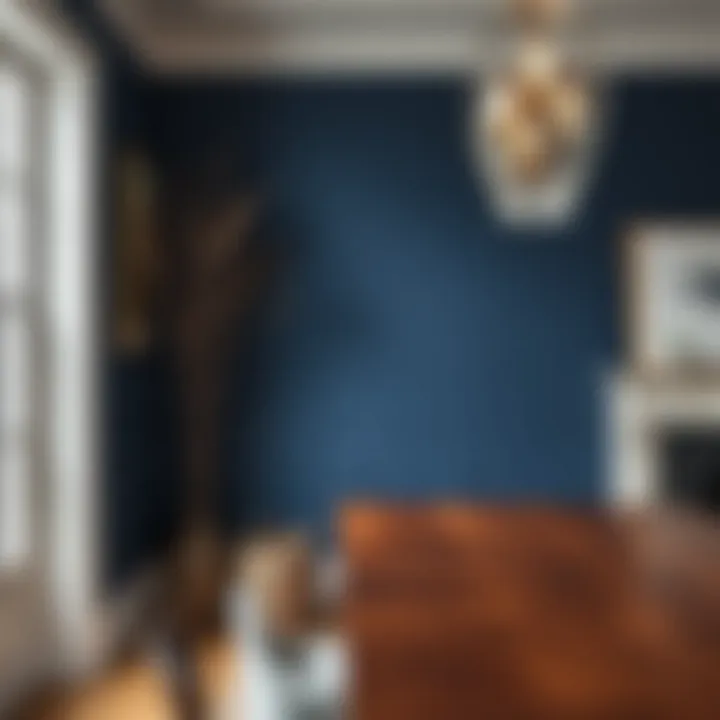
Stiffkey Blue is not for the faint-hearted. This deep, rich tone commands attention and serves as a statement piece. It is named after a beach in Norfolk, England, and embodies the essence of coastal beauty mixed with thoroughly modern elegance. A great choice for feature walls or cabinetry, Stiffkey Blue tends to pair well with natural wood, soft gray accents, or even metallic finishes to lift the space. Its deep hue adds depth and character, making it an excellent option for those looking to infuse their interiors with a bold personality.
Halling Blue: An Understated Elegance
Halling Blue is often described as a gentle whisper of color. Not too dark, yet not overly bright, this shade has an understated charm that appeals to many. Ideal for smaller spaces, it reflects light beautifully and creates an airy feel. Halling Blue works well in bedrooms or bathrooms, offering a sense of calm without overwhelming the senses. Combining this shade with wooden furniture or natural textiles can enhance its soft, delicate nature.
Blue Ground: A Soft Expression
Blue Ground is a soft pastel shade, evoking the tranquility of the sea. It stands out for its ability to adapt to light, changing its tone as the day unfolds. Whether in a dining area or a cozy nook, this hue can bring a refreshing air to your interiors. It pairs beautifully with creams and whites, lending itself to a light and cheerful space. Its placid character is particularly well-suited for spaces designed for gatherings, effortlessly setting a relaxed tone for guests.
Lulworth Blue: Coastal Inspiration
Lulworth Blue captures the spirit of the coast with its unique blend of hues that mimic the natural colors of the seaside. This light, refreshing shade is perfect for inspiring a calm and peaceful atmosphere reminiscent of the British coastal landscapes. It works wonderfully in kitchens or sunlit areas, where it can highlight natural light to amplify its cheerful quality. Combining Lulworth Blue with nautical elements or sandy beiges can create an inviting beach house feel, regardless of your actual proximity to the ocean.
"Color is the keyboard, the eyes are the harmonies, the soul is the piano with many strings." - Wladimir Shallot
In summary, the blue shades from Farrow and Ball are more than just colors on a wall; they offer a way to express personality and enhance the functionality of living spaces. Whether you select a classic, striking, understated, or soft hue, each option brings its own set of character and potential. Carefully consider the room's purpose when choosing your blue, and you'll find the right match that not only beautifies but elevates your environment.
Choosing the Right Blue for Your Space
Selecting the right shade of blue for your living area is not just about picking a color from a swatch. It’s an art and science combined, a reflection of both your personality and functionality of the space. Blue shades can elicit various feelings, so understanding their nuances is crucial.
Blue is often associated with calmness and tranquility, but its impact can vary significantly based on factors like lighting and room dimensions. In residential design, this becomes a powerful tool. Each hue has its own story to tell, and it’s essential to consider the overall atmosphere you want to create. Speak to your space. Is it cozy and intimate? Or grand and open? Understanding this can lead you to the perfect blue.
Assessing Natural Light and Room Size
Natural light fundamentally influences how paint colors appear. A well-lit room can make a color seem brighter or even warmer, whereas dim lighting may dampen its vibrancy. When assessing your space, take note of how light plays throughout the day. For example, south-facing rooms receive abundant sunlight, making softer blues like Blue Ground appear more vivid. On the other hand, north-facing spaces can benefit from deeper shades like Drawing Room Blue, which might bring more warmth to a cooler atmosphere.
Moreover, the size of a room plays a pivotal role in color selection. In smaller areas, lighter shades can help open them up, creating an illusion of spaciousness. In contrast, larger rooms can accommodate more bold hues without overwhelming them. Halling Blue, if placed in a wide area, can evoke a sense of sophistication without feeling confined; it speaks elegance while providing a comfortable ambiance.
Complementing Existing écor and Furnishings
Your walls don't stand alone; they interact with your furnishings and décor. When choosing a blue shade, consider the colors in your furniture, artwork, and accessories. If you have warm wood accents or earthy tones, complementing those with a muted blue like Lulworth Blue can create harmony without clashing.


On the flip side, cooler metallic accents might dance with bolder shades such as Stiffkey Blue. This room can exude a chic vibe while maintaining interest.
Color selection transcends mere aesthetics; it shapes the emotional resonance of a space.
In interior design, creating visual cohesion helps in further enhancing the space's overall look. By matching blues with corresponding undertones in your existing décor, you foster a refreshing consistency that guides the eye naturally through the room. Think about throw pillows, rugs, or even artwork that features similar blue tones. It’s like tying a bow on a present; it brings everything together beautifully.
Taking the time to thoughtfully assess these elements can result in a space that is not only visually appealing but also serves its purpose in enriching the quality of everyday life.
Visual Harmony and Color Pairing
Creating an interior space that's not only functional but also aesthetically pleasing hinges on the concept of visual harmony. This principle involves blending colors and textures in a way that evokes a sense of balance and cohesiveness. In the context of blue paint colors from Farrow and Ball, understanding color pairing becomes crucial. The right shades don't just fill up a room; they breathe life into it through mood and atmosphere.
When you're selecting blue hues, think of how they will mingle with your existing elements. Compatibility with other colors is key. Blue can be paired with warm tones, for instance, to create a dynamic contrast that still respects the tranquil energy inherent in blue. You might consider this: a rich navy like Stiffkey Blue juxtaposed with earthy yellows can create a cozy yet invigorating vibe.
Choosing colors that complement your blue shades enhances the overall feel of a room. This leads to
- Cohesion in Design: When colors harmonize, it creates a seamless transition across areas. For instance, moving from the inviting coolness of Drawing Room Blue in the living room to a warmer shade in adjacent spaces can create a flow that feels organic.
- Enhanced Mood: Colors do influence emotions. Peaks of light blues alongside mid-tones can evoke calm, while darker shades like Halling Blue can induce a sense of sophistication and depth.
Ultimately, successful visual harmony means not just being aware of the colors themselves but also considering their contextual impact. Think about the broader scheme of your interior and how various shades play together.
Complementary Colors with Blue Hues
Understanding complementary colors when working with blue is essential for any design enthusiast. Complementary colors are those that are positioned opposite each other on the color wheel. In this case, hues like orange and peach can bring out the best in blue shades from Farrow and Ball. Combining these can lead to a visually striking effect, adding a jolt of energy while balancing the serene nature of blue.
Consider how a mood-rich blue can interact with subtle warm oranges. You can paint an accent wall in Stiffkey Blue while incorporating furniture or decor in peachy tones, creating a warm and inviting corner. This pairing might positively influence mood by providing comfort and excitement in equal measure; crucial for spaces like living rooms or study areas.
- Textile Choices: Fabric choices can enhance color relationships. For example, pillows in soft peach can infuse your blue-themed room with warmth and texture.
- Art and Decor: Hang art pieces that feature complementary colors as part of your overall strategy. A vibrant artwork that incorporates both hues can unify your space.
Adopting a color scheme that leans into these complementary colors allows for a more immersive environment that captivates and engages the senses.
The Impact of Neutral Tones
Neutral tones are often an afterthought when discussing color pairings, but they play an essential role in the overall aesthetic of a blue-centric design. Whether it’s a crisp white, warm beige, or soft gray, these tones provide a backdrop that can help blue shades shine without overwhelming the eye.
Neutral colors can act like a canvas for your blue hues, allowing them to stand out while maintaining that sought-after balance. Here’s how neutral tones can shape the atmosphere in a space:
- Creating Contrast: While blue is a standout choice, it can be beautifully offset by neutral colors, creating a delicate contrast that draws the eye. A serene Blue Ground wall against a warm off-white trim can elevate the entire room’s elegance.
- Enhancing Natural Light: Lighter neutral tones reflect light, making small spaces feel larger while amplifying the refreshing vibes of blues.
- A Comfortable Foundation: Neutrals lend a sense of stability in a room, so layering in blue hues won't feel too stark or jarring. Soft gray shades can add depth while remaining calming, perfect for bedrooms or quiet spaces.
Utilizing neutral tones alongside the rich palette of Farrow and Ball blue paints can amplify the design essence, letting the blues communicate their story more vividly. When you consider visual harmony and color pairing, balance plays a vital role; it's not about beating colors together, but rather how they can support and enhance each other.
Application Techniques for Farrow and Ball Paints
When it comes to achieving an exquisite finish with Farrow and Ball paints, particularly their stunning blue hues, the application technique can make a world of difference. The way you prepare, apply, and maintain your painted surfaces determines not just aesthetics but also durability. Homeowners and interior design enthusiasts should understand the importance of proper application techniques to ensure the paint's unique qualities shine through. This section unpacks the nuances of preparation, tools, and techniques that contribute to a flawless result.
Preparation and Priming Surfaces
Before diving into the world of colors, one must first ensure that the surfaces are prepped correctly. Surface preparation is fundamentally about creating a canvas that allows paint to adhere well and last longer. Any dust, grease, or previous paint residue can ruin the outcome.
- Clean Thoroughly: Start with a gentle wash using a mixture of warm water and mild soap. Ensure all residues are removed—think of it as giving your walls a refreshing scrub before their makeover.
- Repair Imperfections: Got holes or cracks? Fill those with appropriate fillers and sand them down until smooth. Think about it like fluffing a pillow; you wouldn’t want it lumpy!
- Priming is Essential: Depending on the wall's condition, a primer might be necessary. It enhances adhesion and prevents any old paint or stains from affecting the new color. This step is often taken for granted but can be the difference between a good job and a great job.
As you prep, keep in mind that for Farrow and Ball blues, a well-prepared surface brings out the richness of the pigments—allowing subtle nuances and depth that are hallmarks of the brand.
Optimal Tools for Application
Choosing the right tools can feel daunting, but it’s one of those instances where the right choice can save you from headaches down the line. As Farrow and Ball paints often have specific qualities that react well with certain application methods, consider these tools:
- High-Quality Brushes: Look for natural bristle brushes for smooth application. They hold more paint and distribute it evenly, giving you that rich, perfect coverage.
- Rollers for Larger Areas: A synthetic roller can be useful for covering large walls efficiently. However, for details and edges, a brush will be your best friend.
- Paint Tray: A tray helps in minimizing mess and gives you controlled access to paint. It’s simple, but it saves a lot of hassle.
Remember, the right tools not only enhance your painting experience but also ensure that creamy Farrow and Ball consistency is well-applied, avoiding drips and inconsistent texture.
Achieving a Flawless Finish
A single blue wall can transform your space, but only if applied correctly. The final layer of paint is where artistry meets technique. Taking that extra time can make all the difference:
- Apply in Thin Coats: Rather than slapping on a thick layer, opt for thinner, more manageable coats. This method allows for even drying and prevents unsightly drips.
- Work in Sections: A logical step to painting is to break your wall into sections. This helps to maintain a wet edge, which is crucial in blending colors seamlessly without lap marks.
- Finish with Care: For a high-quality finish, consider a light sanding between coats, especially on eggshell finishes. This step helps in achieving an ultra-smooth result.


Ultimately, understanding and executing these techniques can elevate the look of your room dramatically. Farrow and Ball paints, known for their depth and quality, deserve to be showcased through attention to detail in application. Homeowners can feel confident that with the right steps, their spaces will reflect the beauty and character inherent in each shade of blue, creating inviting and noteworthy environments.
Maintaining and Caring for Painted Surfaces
The appearance of your walls can transform a room from dull to dazzling, but keeping those painted surfaces looking fresh takes a bit of effort. Maintaining and caring for painted surfaces is not simply about aesthetics; it is also about protecting your investment in high-quality Farrow and Ball paint. When you take the time to care for your painted walls, the longevity of the color and finish is significantly enhanced. This section will provide the essential guidelines for keeping your blue hues vivid and your spaces inviting.
Cleaning and Upkeep Guidelines
To prolong the life of your Farrow and Ball paint, consistent and proper cleaning is crucial. Dust, fingerprints, and general grime can accumulate over time, dulling the vibrant hues you initially chose. Here are some key considerations for effective cleaning:
- Gentle Ingredients: Use mild soapy water. Harsh chemicals can strip away the finish and cause discoloration. A solution made of warm water and a few drops of gentle liquid soap will do the trick.
- Soft Cloths and Sponges: Utilize non-abrasive sponges or microfiber cloths. They help avoid scratches and maintain the integrity of the paint.
- Spot Testing: Always try your cleaning mixture on a small, inconspicuous area before applying it to larger sections. This ensures that it won’t affect the paint quality.
- Frequency: Try to clean your walls regularly—every few months is a good benchmark. This prevents buildup that requires heavier scrubbing, which can damage the paint.
Following these cleaning guidelines can ensure your painted surfaces remain timeless.
Addressing Wear and Tear
Every painted surface, no matter how lovely, is susceptible to wear and tear over time. Walls endure a lot—furniture moving, children playing, and daily life itself leaves its mark. Here are some practical strategies to address any damages promptly:
- Dents and Scratches: For minor scuffs, a soft cloth and some soapy water may fix the issue. However, deeper scratches may need touch-up paint. Having a small can of leftover paint from your initial project can save you from a headache down the road.
- Fading and Discoloration: Sunlight can fade paint surfaces. To combat this, consider using curtains or blinds to limit direct light exposure during peak hours. In case the color has started to fade, a repaint or touch-up may be necessary.
- Mildew and Mold: In high-humidity areas like kitchens or bathrooms, it's essential to monitor for mildew. If you spot any, a mixture of vinegar and water can help remove it safely. Make sure the area is well-ventilated after cleaning to prevent future growth.
"Taking proactive steps to maintain your painted surfaces not only keeps your colors looking rich but also protects your home from extensive repairs in the future."
In essence, maintaining your Farrow and Ball blue paint isn't an arduous task. Simple cleaning habits and prompt attention to damages can keep your walls looking remarkably vibrant and worthy of admiration.
Farrow and Ball Blue in Different Design Styles
Color plays a vital role in interior design, serving not just as decoration, but as a powerful tool to shape the ambiance and functionality of any space. The blue shades offered by Farrow and Ball are celebrated not only for their unique hues but also for their versatility across various design styles. This section explores the importance of these blue tones in modern, classic, and eclectic interiors, shedding light on how they can enhance each aesthetic while fulfilling both personal and practical needs.
Modern Aesthetic: Sleek and Minimalist
In contemporary homes, the modern aesthetic often leans toward minimalism. Here, Farrow and Ball's shades of blue can be particularly impactful. Imagine walls painted in a soft Lulworth Blue or bold Stiffkey Blue; these colors create a serene atmosphere that calms the eye amidst a sleek, clutter-free environment. Minimalist design is all about stripping back to the essentials and allowing the beauty of the space to shine.
Using Farrow and Ball’s blues in a modern setting also introduces a pop of color without overwhelming the eye. The clean lines of minimalistic furniture juxtaposed with these refined blues add depth and character. Furthermore, it brings an organic quality, enhancing the natural light in large open spaces. When choosing blue for modern decor, consider:
- Complementary textures: Pair smooth finishes with soft fabrics to create balance.
- Accents in the same color family: Accessories in varying shades can tie the room together.
- Natural elements: Wood, metal, and stone details can create a cohesive feel to a minimalist approach.
Classic Interiors: Timeless Appeal
Classic interiors evoke a sense of history and sophistication. The use of Farrow and Ball’s blue hues in such settings paints a picture of timeless elegance. Shades like Drawing Room Blue can dramatically transform a traditional living room into a cozy yet refined retreat.
In classic design, the idea is to respect tradition while infusing elements that speak to individuality. Here, blue can serve as a neutral backdrop that enhances ornate woodwork and antique furnishings. To achieve this classic look, consider:
- Layering colors: Combine various shades of blue with other neutral tones to create a well-rounded palette.
- Heritage furnishings: Use vintage pieces that feature blue tones or intricate details that resonate with your chosen hue.
- Rich textiles: Invest in fabrics such as velvet or brocade that showcase the depth of blue shades and their beauty in soft light.
"Classic design is not about following trends, but embracing the legacies that have shaped our spaces."
Eclectic Rooms: Mixing Textures and Colors
Eclectic design celebrates diversity and creativity, allowing for a blend of styles and eras. Here, Farrow and Ball blues can act as a grounded presence in a room filled with contrasting colors and textures. A bright and uplifting blue like Blue Ground can bring unity to an eclectic theme, harmonizing various design elements into a cohesive space.
When mixing textures, it's key to ensure the combination feels intentional. You might pair a textured blue wall with geometric patterns in furnishings or vibrant artwork that draws from that very same hue. To successfully navigate the eclectic style using blue shades, keep these tips in mind:
- Balance the color spectrum: Ensure complementary colors exist to allow blue to shine without being overshadowed.
- Diverse materials: Layering materials like wood, metal, and textiles creates visual interest without feeling chaotic.
- Statement pieces: Include a vibrant artwork or centerpiece that features blue alongside other colors to tie the room together.
The versatility of Farrow and Ball’s blue colors allows homeowners to explore a range of aesthetics while ensuring practicality and emotional resonance in their interiors. By understanding how to integrate these hues into various styles—modern, classic, or eclectic—one can curate spaces that are not only visually appealing but also deeply personal.
End: The Lasting Impact of Farrow and Ball Blue
The exploration into the various blue shades offered by Farrow and Ball is not merely about paint colors; it’s about creating spaces that resonate with personal style and emotional well-being. The colors we choose for our interior spaces reflect who we are, forming an essential part of our living experience. Farrow and Ball's blue hues go beyond aesthetics. They have the unique ability to evoke emotions, and transform environments, making them an invaluable choice in the realm of interior design.
The significance of selecting the right shade cannot be overstated. Each tint carries its own character, influencing not only how a room looks but also how it feels. For example, Stiffkey Blue, with its deep and bold tone, can impart a sense of drama, perfect for spaces meant for entertainment. In contrast, Halling Blue presents a softer, more serene presence, ideal for bedrooms or calming areas. In every nook, the style you opt for affects how you and your guests experience the space.
Equally important is the practicality of the paints. Farrow and Ball has a commitment to quality, ensuring durability and a finish that stands the test of time. This means that not only must the colors suit your design intentions, but they must also withstand the wear and tear of everyday life. Thus, contemplating future applications of these shades is essential for achieving lasting beauty.
Considerations for Future Applications
As you ponder the application of Farrow and Ball blue paints, consider the following factors:
- Lighting: How does natural light affect your chosen shade? Blue can look drastically different under bright sunlight compared to dim evening light.
- Transition Spaces: If you're planning an open concept, think about how each shade transitions from room to room. It should create a cohesive flow throughout your space.
- Personal Preference: Always trust your instincts when it comes to aesthetics. Choose shades that resonate with your sense of style and desired atmosphere.
- Seasonal Changes: Keep in mind how the look and feel of colors change with different seasons. A cool blue might feel refreshing in summer, but could feel chilly in the midst of winter - think about how to balance that.
Farrow and Ball's blue palette is more than just paint; it’s a gateway to crafting your desired ambience. Recognizing the impact of these colors will lead to more naturally harmonious spaces, resulting in interiors that feel not only aesthetically pleasing but also right at home.