
Maximize Meal Prep with My Time Slow Cooker


Intro
When it comes to cooking, nothing beats the satisfaction of a meal that has simmered to perfection while you went about your day. Enter the My Time Slow Cooker—a handy tool that’s not just for the casserole lovers. This appliance opens the door to a world of culinary experimentation, simplifying meal prep in ways that might surprise even the most seasoned home chef.
Imagine waking up to the aroma of a hearty beef stew after a busy night or arriving home to a warm, comforting pot of chili. The beauty of the slow cooker lies in its ability to transform simple ingredients into rich, flavorful dishes with minimal effort. But it’s not just about convenience; it enhances your ability to create diverse recipes that can impress guests or satisfy the family.
In this article, we'll explore the many facets of the My Time Slow Cooker. From its design choices that fit seamlessly into your kitchen aesthetic to practical cooking techniques and maintenance tips, each section is crafted to provide you with an in-depth understanding of this appliance's capabilities. By the end, you'll be well-equipped to use the My Time Slow Cooker in ways you never thought possible, turning routine meals into extraordinary experiences.
Preface to Slow Cooking
In the bustling world of meal preparation, the concept of slow cooking often takes a backseat. However, understanding it can revolutionize the way we approach our daily meals. Slow cooking isn’t merely a technique; it's a philosophy that embraces patience, allowing flavors to meld and develop over time. The beauty of My Time Slow Cooker lies in its ability to infuse meals with rich, deep flavors while minimizing hands-on cooking time. This cooking method results in delightful dishes without the dread of constant monitoring.
The advantages of slow cooking extend beyond just taste. It opens doors for busy individuals and families looking to streamline their culinary routines. Imagine returning home to a warm, hearty stew that has been bubbling away all day, filling your home with mouth-watering aromas. For many, this ease and comfort set the stage for family dinners, encouraging connection over a shared meal. Furthermore, slow cooking often results in healthier dishes, as it allows nutrients to be retained and avoids the need for excess fats or oils that can plague quicker cooking methods.
To grasp the full impact of slow cooking within My Time Slow Cooker, we must dissect its mechanics and explore its rich history.
Understanding Slow Cooking Mechanics
Delving into the mechanics of slow cooking reveals the science behind the magic. The slow cooker operates by utilizing gentle heat over an extended period. A typical recipe may take anywhere from four to ten hours to cook, depending on the ingredients and desired outcomes. The heat distribution is exceptionally even, allowing tough cuts of meat to break down tenderly while vegetables soften just the right amount to retain their structure and essence.
One core factor that dictates the outcome is the temperature used during cooking. Most slow cookers have two settings: low and high. When set to low, the appliance usually maintains a temperature of about 190°F, which gently cooks food while retaining moisture. Conversely, the high setting reaches around 300°F, cooking dishes quicker without sacrificing quality.
It's also imperative to understand the role of moisture. Ingredients release natural juices during slow cooking, creating a sumptuous sauce or broth that enhances the final dish immensely. Recommendations often suggest keeping the lid on during cooking; this preserves steam and prevents heat loss, contributing to a more efficient cooking process overall.
The Historical Context of Slow Cookers
The slow cooker has a storied past, one that reflects changing cooking technologies and lifestyle demands. Originally, the concept of slow cooking can be traced back to the traditional clay pots used by ancient cultures. These pots allowed food to cook over a gentle fire, drawing on similar principles that today's slow cookers use. Interestingly, the journey of the modern slow cooker begins in the 1940s, with the invention of the first electric crock-pot, allowing households to prepare dishes while they were away at work or tending to other obligations.
As society progressed, so did the slow cooker. By the 1970s, the appliance struck a chord with families seeking convenience amidst rapid changes in daily life, becoming a staple in American kitchens. Despite the rise of microwaves and other fast-cooking methods, the slow cooker retains its charm, appealing to those who appreciate the art of meal preparation, valuing flavor over speed.
Today, slow cookers like My Time Slow Cooker are furnished with technological advancements—programmable settings and precise temperature controls enhance their usability. As the world embraces sustainable cooking practices, slow cookers symbolize a return to thoughtful meals, merging tradition with modern convenience.
My Time Slow Cooker Features
In understanding the full capabilities of the 'My Time Slow Cooker', it’s essential to explore its features. These elements are pivotal in ensuring that your cooking experience is not just easy but also enjoyable. The clever arrangement of settings and functionalities within a slow cooker can transform not merely how a meal is prepared, but also the time and energy involved in the process. Let's break down the key features of this appliance, which cater to a variety of cooking styles and preferences.
Programmable Settings and Timers
The first standout feature of 'My Time Slow Cooker' is its programmable settings and timers, designed to cater to the fast-paced lifestyle many lead today. Having the ability to program your cooker means you can set it and forget it. Whether you are heading out for a busy day of work or simply busy with other household chores, the slow cooker ensures that your meals are cooking to perfection without the need for constant attention.
You can set it to cook a hearty beef stew for eight hours, or perhaps a quick vegetable salsa for just four. The flexibility to customize cooking duration can make a world of difference. When your meal is ready, the cooker automatically switches to the warm setting, ensuring your food stays at a perfect temperature until you are ready to serve.
Temperature Control Options
Temperature control is another vital feature that should not be overlooked. With 'My Time Slow Cooker', you can choose from a range of heat settings, allowing you to adjust the cooking temperature based on the dish.
Utilizing lower settings for tougher cuts of meat enables the slow tenderization process, while higher settings can be used for dishes that require quicker preparation. This duality in temperature settings means you can handle a variety of ingredients, from delicate fish to robust legumes, all with the same appliance.
Moreover, slow cooking allows flavors to develop gradually, making a significant difference in the taste of the final dish. A well-executed temperature control can truly elevate the quality of your meals.
Capacity and Design Choices


When discussing the features of 'My Time Slow Cooker', one cannot dismiss the importance of capacity and design. Depending on your cooking needs, the slow cooker comes in different sizes that accommodate various servings, from small family dinners to grand gatherings.
Most models feature a sleek design, easy to clean surfaces, and a sturdy lid. Consider how much space you have in your kitchen; this cooker can fit snugly on most countertops without making an eyesore. It's practical as much as it is aesthetic.
In sum, the features of 'My Time Slow Cooker' encapsulate a blend of flexibility, functionality, and thoughtful design, making it a worthwhile consideration for anyone serious about optimizing their cooking routine. With these features combined, you're not just cooking – you're orchestrating a symphony of flavors with convenience at your fingertips.
Advantages of Using My Time Slow Cooker
The appeal of slow cooking often stems from its multifaceted advantages. For many, the My Time Slow Cooker doesn’t just represent another kitchen gadget; it symbolizes a more efficient way to approach meal planning and preparation. As we delve into the various benefits, understand that these aspects can have profound impacts on your culinary practices, health, and your overall energy consumption.
Time Efficiency in Meal Preparation
In the fast-paced world we inhabit, time is of the essence. The My Time Slow Cooker shines here, allowing meals to simmer and develop flavors without requiring constant attention. Unlike traditional methods, where you often find yourself tethered to the stovetop, slow cooking permits you to prepare dishes while engaging in other activities. Just throw your ingredients into the pot, set the timer, and let it work its magic. Many users have found this aspect liberating, particularly for busy weekdays or family gatherings. You can start a hearty chili in the morning, and by dinner time, you’ll have a meal that's ready to serve.
The beauty of this method lies within its simplicity. Recipes often call for simply adding the raw ingredients and letting the cooker do the rest. It means you can do your grocery shopping or even tackle errands while your meal is being prepared. To spice up your meal prep, try planning a menu for the week, incorporating versatile recipes such as pulled pork or vegetable stews. These dishes will only enhance with additional cooking time, maximizing both your efficiency and flavor complexity.
Health Benefits of Slow Cooking
Health-conscious individuals are increasingly gravitating towards slow cooking methods, primarily because this technique often results in healthier meals. Slow cooking tends to require less oil, as the long cooking times help to tenderize meats and meld flavors beautifully. Ingredients like spices and herbs can shine through more than they would with other cooking methods.
However, the health benefits go beyond just reduced oil. Slow cooking often emphasizes whole ingredients. For instance, when preparing a vegetable medley soup, instead of a quick sauté, the gradual heat helps to retain most vitamins and minerals when compared to high-heat cooking methods that can leach nutrients away.
The ability to control what goes into your meals allows for a highly personalized diet. If you’re monitoring sodium intake, for example, you have the flexibility to avoid pre-packaged sauces loaded with additives. Knowing that you can create nourishing meals for yourself and your loved ones should give you peace of mind.
Energy Conservation Through Slow Cooking
Today, sustainability has crept into everyday conversations. Using the My Time Slow Cooker can be an eco-friendly alternative to traditional cooking methods. Though it might seem counterintuitive since it operates for longer periods, a slow cooker typically uses less energy than an oven or stovetop. An oven runs at 350°F and draws more electricity, while a slow cooker operates at about 200°F.
Also, by making larger batches in your slow cooker, you cut down on energy consumption further. You can freeze leftovers for quick meals later, steering away from unnecessary packaging waste or multiple cooking sessions. This provides not only convenience but also less strain on your utility bills.
"With a slow cooker, you can do good for yourself while being mindful of the environment. It's a win-win!"
Utilizing your My Time Slow Cooker effectively highlights how it can ease daily stress, nourish your family, and contribute to reducing your carbon footprint. As we continue to explore the features and techniques of this valuable kitchen tool, remember that its advantages stretch far beyond simple meal preparation.
Cooking Techniques with My Time Slow Cooker
Cooking with a slow cooker like My Time offers a world of flavors and convenience. Understanding the right techniques can vastly improve your culinary results. It’s not simply about throwing ingredients in and letting them simmer; there are nuances to ensure you achieve optimal outcomes. Here, we will dive into specific methods that enhance your cooking experience, making meal prep both effective and enjoyable.
Layering Ingredients for Optimal Flavor
When using a slow cooker, the order in which you layer your ingredients plays a crucial role in flavor development. Think of it as building a house; a solid foundation leads to a sturdy structure. Start with your denser vegetables like potatoes or carrots at the bottom. These will bask in the heat, ensuring they get tender. Next comes the protein, which needs ample moisture to cook properly. Finally, herbs and delicate vegetables should be added later or on top to maintain their flavor integrity.
This technique also prevents overcooking those finer additions, allowing them to shine without losing their character. The heat diffuses gradually, ensuring even cooking while maintaining a lovely balance of flavors. When done correctly, the bottom layer is rich and satisfying, while the top layers bring a burst of freshness, transforming your dish into a flavorful masterpiece.
Adjusting Liquid for Consistency
Determining the right amount of liquid is pivotal in slow cooking, and it can make or break your dish. The general rule of thumb is to use enough liquid to cover the ingredients halfway, as too much can lead to a soupy sigh, while too little may leave a parched stew. It's advisable to consider the type of ingredients you're using; frozen vegetables tend to release water as they cook, adding to the overall moisture.
However, if your dish comes out too watery, simply remove the lid during the last 30 minutes of cooking to evaporate some liquid. Alternatively, if it’s too thick, you can stir in a bit more broth or water. Precision is key, and small adjustments can yield significant differences in the final texture and taste of your meal. A well-balanced consistency enhances palatability and enjoyment.
Choosing the Right Cooking Time
Cooking time is the heart of the slow cooking process. It’s all about finding that sweet spot where ingredients meld together perfectly without losing their distinct textures. Generally, meals can be cooked on two settings: low and high. Each has its version of ideal times. A dish usually needs about 6-8 hours on low or 3-4 hours on high.
It’s wise to monitor your initial attempts, as slow cookers can vary in heat output. Trial and error may be part of the learning curve, but it pays off in flavor and texture. When you are unsure, a good indicator that your dish is done is how the meat yields to a fork. If you can easily pull it apart, it’s safe to say it’s ready to serve. Keep in mind that even after turning off the cooker, the residual heat continues to cook the food, so err on the side of caution with timing your meals.
"Effective slow cooking is as much an art as it is a science. Mastering the techniques transforms routine meals into culinary delights."
By focusing on these cooking techniques with My Time Slow Cooker, you enhance not just your meals but also your kitchen confidence. Experiment, tweak, and find what works for your palate. The more you engage with your slow cooker, the more versatile your culinary repertoire will become.
Essential Recipes for My Time Slow Cooker
The versatility of My Time Slow Cooker shines brilliantly when it comes to crafting delicious meals. Essential recipes serve as the cornerstone of maximizing the potential of this kitchen gadget. Not only do these recipes provide practical and time-effective cooking solutions, they also showcase how different ingredients meld together beautifully in a slow cooking environment. This approach to meal preparation allows homeowners to spend less time in the kitchen and more time enjoying their life, creating culinary experiences that are both fulfilling and delightful.
Savory Stews and Soups
When the weather turns chilly or when comfort is needed, savory stews and soups can save the day. These dishes are not only hearty but also allow for a variety of flavors to be explored. For instance, a classic beef stew can be enhanced with red wine, fresh thyme, and root vegetables. Here’s how a savory stew can be effortlessly prepared in your My Time Slow Cooker:
- Begin by browning the meat: Although slow cooking does not always require prior browning, it can enhance the depth of flavor.
- Layer your ingredients: Start with a base layer of the tougher vegetables like carrots and potatoes. Add the meat on top and follow with seasonings and liquids.
- Consider the cooking time: Typically, a stew might take around 6-8 hours on low heat. Be mindful of the texture of the ingredients.
Not only are these meals hearty, but they also have the unique benefit of allowing various ingredients to contribute to an overall harmony of flavors, culminating in a warm bowl that brings happiness.
"Cooking transforms mere ingredients into a medley of flavors that warms the heart and soul."
Wholesome Breakfast Options
Breakfast is often overlooked when it comes to slow cooking. However, My Time Slow Cooker can whip up wholesome morning meals seamlessly. A beloved option is the overnight oatmeal. Imagine waking up to a warm bowl of creamy oats, ready to go! The beauty of this is the flexibility in ingredients. For a simple yet delightful breakfast:
- Choose your oats: Steel-cut oats are a popular choice, offering a hearty texture.
- Add your flavors: Cinnamon, brown sugar, and a touch of vanilla elevate the dish. You can even toss in some fruits like apples or bananas for added sweetness and nutrition.
- Cook overnight: Set your slow cooker on low for about 7-8 hours before you hit the hay.
This method saves time in the morning and delivers a nutritious start to your day. You can further jazz it up by adding nuts or seed toppings once served.
Creative Desserts to Try
Desserts are not exclusive to baking. With My Time Slow Cooker, you can let your sweet tooth roam free. One standout dessert is the slow-cooked fruit crumble. This not only takes advantage of seasonal fruits but also fulfills the need for warm comfort food:
- Select your fruits: Apples, berries, or pears work beautifully. Toss them with some sugar and spices for added flavor.
- Prepare the crumble topping: Combine oats, flour, butter, and a hint of brown sugar, mixing until crumbly.
- Layer in the slow cooker: Fill the slow cooker with the fruit mix, then sprinkle the crumble topping generously on top.
- Cook on low: This dessert can simmer for around 3-4 hours, creating a gooey and flavorful filling.
This process transforms humble fruits into a delightful dish that can serve as the perfect closure to any meal or a sweet treat on its own. The possibilities are endless, and experimenting with various flavors can yield a delightful surprise every time.
In summary, essential recipes for My Time Slow Cooker unlock a world of culinary possibilities. They allow cooks of all levels to prepare nourishing and delectable meals with minimal effort. Therefore, navigating through a selection of savory stews, wholesome breakfast options, and creative desserts not only showcases the appliance’s ability but also enriches meal planning and preparation in everyday life.
Tips for Maintaining Your Slow Cooker
To ensure optimal performance and durability of your My Time Slow Cooker, maintenance plays a pivotal role. Much like a well-crafted dish that requires precision and care, the same principle applies to the upkeep of your slow cooker. By implementing a few straightforward practices, you can maximize the lifespan of this versatile kitchen appliance while keeping it in excellent working condition.
Cleaning Protocols for Longevity
One of the cornerstones of maintaining any kitchen appliance is effective cleaning. For the My Time Slow Cooker, it's important to establish a cleaning routine that not only focuses on preventing food residue build-up but also promotes the appliance's overall hygiene. Here are some essential cleaning tips:
- Cool Down First: Always let the slow cooker cool down before cleaning it to avoid burns.
- Removable Parts: Most slow cookers, including the My Time model, come with removable ceramic or non-stick inserts. These can typically be washed in warm soapy water. You may also opt to use a dishwasher if they are deemed safe.
- Exterior Care: Wipe the exterior with a damp cloth. Avoid abrasive cleaners or scrubbers that can scratch the surface.
- Deep Cleaning: For stubborn stains or odors, a mixture of baking soda and water can serve as a gentle abrasive cleaner. Apply this paste, let it sit for a while, and then wipe clean.
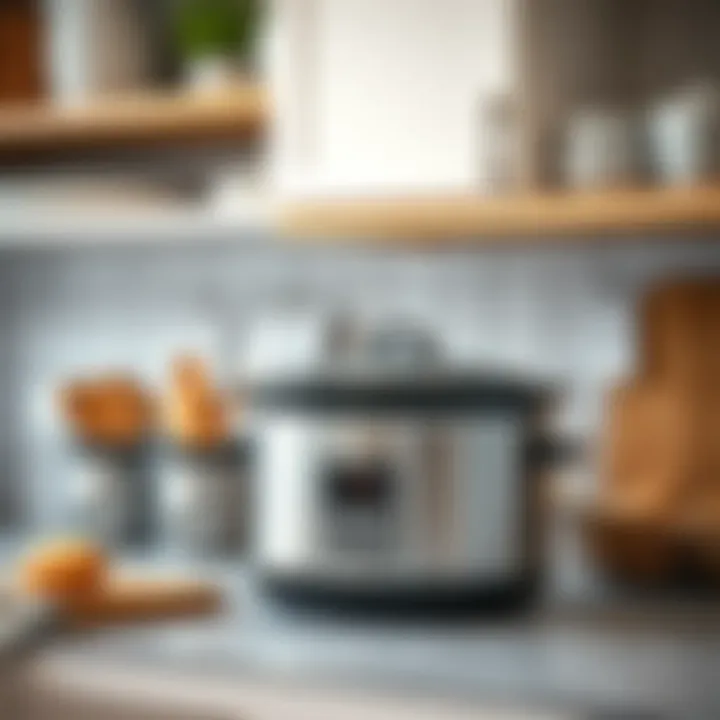
Maintaining cleanliness not only extends the life of the cooker but also ensures that every dish is cooked under the best hygienic conditions.
Storage Tips to Maximize Space
Proper storage of your My Time Slow Cooker is just as essential as cleaning it. To keep your kitchen tidy and your slow cooker in prime shape, consider the following storage suggestions:
- Designate a Spot: Ideally, find a dedicated space where the slow cooker can reside without being jostled about. This prevents potential damage and makes it easy to access when needed.
- Use Original Packaging: If space allows, keep the original packaging. It’s designed to offer the utmost protection from dust and accidental snags.
- Avoid Overcrowding: Store the slow cooker in a way that allows for ventilation and avoids stacking it with heavy items. Heavyweights can lead to scratches or dents.
- Cord Management: Secure the power cord neatly to prevent tangling or damage to the wires. This ensures that the slow cooker is ready to use whenever the need arises.
By adopting these storage strategies, not only will you keep your slow cooker in shape, but also free up valuable kitchen real estate for other culinary ventures.
"A well-maintained slow cooker can pave the way for countless delicious meals, all while being a cherished part of your kitchen arsenal."
The proper care of your My Time Slow Cooker results in a closer relationship with this essential piece of cookware, leading to delightful meals and enjoyable cooking experiences.
Exploring Alternatives to Slow Cooking
When discussing the versatility of kitchen appliances, it’s vital to not only appreciate the slow cooker but to also understand the alternatives that exist. Exploring alternatives to slow cooking allows home cooks to broaden their culinary horizons, take advantage of various cooking techniques, and perhaps find methods better suited to their unique needs and lifestyles. The truth is, everyone has different schedules, types of meals they enjoy, and even tastes for flavor; thus, considering options is an exercise in culinary empowerment.
Pressure Cooking vs. Slow Cooking
Pressure cooking and slow cooking stand like two sides of the same coin, each with distinct advantages. While the slow cooker works its magic over hours, developing flavors at a leisurely pace, pressure cookers work with speed.
Pressure cooking uses high pressure to raise the boiling point of liquids, which not only reduces cooking time significantly but often helps preserve nutrients. A beef stew that might take several hours in a slow cooker can be made in under an hour in a pressure cooker, making it ideal for weeknight meals.
- Flavor Concentration: Many argue that pressure cooking can create bold flavors, as the sealed environment prevents the escape of steam that contains essential oils and aromas.
- Versatility: Pressure cookers can also double as steamers, rice cookers, and even yogurt makers, offering multiple functionalities in one appliance.
However, the slow cooker remains unbeaten when it comes to convenience and ease. Just pop in your ingredients in the morning, set it, and you’ll return home to a delicious aroma. The gradual cooking process breaks down tougher cuts of meat beautifully and ensures that everything is tender and flavorful.
Stovetop Methods and Their Efficiency
Stovetop cooking brings a different kind of efficiency to the table. Here, the nature of cooking changes significantly as it offers immediate heat control, allowing for quick adjustments depending on how the food is responding in the pan. Think about making a stir-fry: the quick, high heat retains crispness in vegetables, a feature slow cookers often compromise.
- Speed: Methods such as sautéing, boiling, or pan-searing can be done in a fraction of the time required for slow cooking.
- Culinary Techniques: Stovetops allow for techniques like deglazing, which can enhance flavors in a way slow cooking can’t replicate.
- Direct Oversight: Watching how items cook allows for adjustments on the fly, ensuring that nothing gets overcooked or burnt.
The stovetop experience can be liberating, allowing one to have hands-on control over the ingredients. This can lead to better texture and presentation, something often lost in the slow cooking process. Working at the stove provides the immediate gratification of culinary creativity.
The Future of Slow Cooking Technology
The landscape of kitchen appliances is rapidly evolving, and the future of slow cooking technology stands at the forefront of this transformation. As new generations of cooks seek convenience without sacrificing quality, slow cookers are adapting to meet these modern culinary needs. The integration of technology into slow cooking not only increases efficiency but also enhances user experience, making it an important topic to explore. In this section, we’ll look at two significant components of this evolution: smart technology integration and sustainability in kitchen appliances.
Smart Technology Integration
In the ever-changing kitchen, smart technology is becoming essential. With features such as Wi-Fi connectivity, voice commands, and smartphone applications, the My Time Slow Cooker allows users to control their cooking from virtually anywhere. Imagine this: you’re stuck in traffic, and dinner is on your mind. With just a few taps on your phone, you can adjust the temperature or cooking time, ensuring that your meal is perfectly prepared by the time you walk through the door.
The advantages offered by smart integration don’t stop there. Many smart slow cookers can send notifications to your phone, alerting you when the cooking cycle is complete or when certain ingredients should be added. This predictive technology enhances the cooking process and minimizes the likelihood of overcooking or burning, taking the guesswork out of meal preparation.
Additionally, some models feature a library of recipes accessible via the associated apps, which help users choose the best settings based on the dish they're planning to make. This not only simplifies the process but also opens up a world of culinary experimentation that would otherwise require extensive knowledge of slow cooking.
"With smart technology, my cooking capabilities have expanded beyond my imagination. I'm now more confident in trying new recipes!"
— A satisfied My Time Slow Cooker user
Sustainability in Kitchen Appliances
As we are becoming increasingly aware of our environmental impact, the push for sustainability is influencing even our kitchen gadgets. The future of cooking appliances, including slow cookers, lies in their ability to conserve energy and use eco-friendly materials. The My Time Slow Cooker is designed not only for performance but also with sustainability in mind.
Using energy-efficient technology means that slow cookers consume less power than traditional cooking methods, like stovetops or ovens, which can significantly lower household energy consumption. This is especially crucial as households become more conscious of their carbon footprints.
Moreover, many manufacturers are exploring ways to use recyclable materials in the construction of slow cookers. This aids in reducing waste and encourages a more sustainable production process, aligning with the values of environmentally mindful consumers.