
Creative Border Planting Ideas for Unique Gardens


Intro
In the realm of gardening, borders serve not just as dividers but as canvases for personal expression. A thoughtfully designed border can transform a regular garden into a captivating outdoor retreat. The use of plants in border areas can define spaces, create visual depth, and invite texture and color into a landscape. In this article, we will explore a variety of innovative border planting ideas that elevate aesthetic appeal while emphasizing individual styles and preferences. Homeowners and gardening enthusiasts are encouraged to break free from conventional designs, embracing creativity in their garden layouts.
Design Inspirations
When it comes to borders, the sky's the limit. Below are a few ideas to jumpstart your imagination:
Trending Styles
- Rustic Charm: This style incorporates wildflowers and native plants, lending a natural, untamed look to your outdoor spaces. By combining various heights and textures, you create a layered effect that's both inviting and harmonious. Examples might include planting foxglove amongst patches of daisies and lavender, which can attract pollinators.
- Modern Minimalism: For those favoring a cleaner aesthetic, consider using structured lines with a limited palette of plants such as ornamental grasses paired with sleek stones. A scenario could involve a row of Pennisetum alopecuroides alongside a path, creating a sense of serenity and understated elegance.
- Tropical Vibe: To bring a vacation feel right to your home, consider using broad-leaved plants and bold colors. Can you imagine a border filled with Philodendron and Hibiscus? Pairing these with gravel paths can add a striking contrast, making the colors pop even more.
Color Palettes
The choice of colors can greatly impact the ambiance of your garden. Here are some suggestions:
- Monochromatic: Choose plants in varying shades of one color, like different hues of blue from Nepeta to Delphinium. This approach offers sophistication and harmony.
- Contrasting: Pairing colors like yellow with purple can create a lively backdrop. Consider planting Echinacea purpurea alongside marigolds to achieve this effect, stimulating the eyes and the spirit simultaneously.
- Pastel Mix: Soft whites, pinks, and lavenders can create a gentle, calming border. Using plants like Lavandula angustifolia with Paeonia can bring a graceful and romantic quality to your space.
"Designing borders is not just about what we see, but how we feel in that space. A well-designed border can set the mood for outdoor gatherings, relaxation, and more."
Maintenance and Upkeep
Caring for your border goes beyond planting. Regular maintenance is essential to keep that idyllic look.
Seasonal Maintenance Checklist
- Spring: Trim back any dead foliage and clear away winter debris. Reapply mulch to retain moisture and suppress weeds.
- Summer: Water thoroughly during dry spells and deadhead flowers to promote further blooming.
- Fall: Prune back perennials and tidy up fallen leaves to prepare for winter dormancy.
- Winter: Assess your plants and make notes for next season’s improvements. Protect delicate specimens with mulch or fabric covers if necessary.
Cleaning and Organization Tips
- Keep tools organized in a shed or covered storage.
- Clean bird feeders and watering stations to prevent pests and disease.
- Set a schedule for checking plants regularly—tiny pests can become a big problem if left unattended.
Gardening is a journey of constant learning and adapting. By embracing new ideas and personalizing your borders, you can cultivate a space that truly reflects who you are. Whether you’re hosting a gathering or enjoying a tranquil moment alone, the right border planting strategies can enhance every outdoor experience.
Preface to Border Planting
Border planting is a fundamental technique in gardening that acts as the spine of landscaped outdoor spaces. It serves a two-fold purpose: enhancing aesthetics and providing functionality. By thoughtfully positioning borders, gardeners can create visual appeal, define pathways, and integrate various plants harmoniously. The elegance of a well-placed border not only draws the eye but also guides it through the garden, making it an essential element for any outdoor space.
Understanding the Purpose of Border Planting
In essence, border planting is about setting the stage for the broader garden experience. It can delineate specific areas, such as separating a flower bed from the lawn or framing a striking feature like a pond. Moreover, borders can be utilized to create a transition between different garden zones, allowing for a smooth flow that leads visitors on a journey through the space.
The goal is more than just plant placement; it’s about establishing a coherent framework within which your garden narrative unfolds. For instance, homeowners might choose to plant low, colorful perennials at the front edge of a bed for immediate visual impact, while taller shrubs or grasses can anchor the back, adding depth and richness.
Balancing the practical aspects of gardening, such as preventing soil erosion or acting as windbreaks, with artistic choices, like color schemes and textures, encapsulates the beauty and purpose of border planting.
Visual Appeal and Functional Considerations
There’s a delicate dance between aesthetics and function in border planting. Visually, the right plants can harmonize with the existing landscape, adding layers of interest and breaking up monotony. Using a combination of foliage shapes, colors, and heights enhances the garden's overall attractiveness.
On the functional side, consider how borders can impact maintenance tasks. Plants that require similar care can be grouped together, making watering, pruning, and mulching far more manageable. For example, grouping moisture-loving plants like ferns and astilbes can create a lush border that thrives in shaded areas, while drought-tolerant options like lavender and succulents flourish in sunnier spots.
"The true artistry of border planting lies in finding the right balance between what pleases the eye and what nurtures the landscape."
In summary, whether it’s creating a whimsical touch with wildflowers or establishing a more formal structure with evergreens, the choices made during the border planting process are crucial. They reflect personal style while contributing significantly to functionality and the overall atmosphere of outdoor spaces.
Types of Borders in Gardening
When it comes to border planting, understanding the different types of borders is crucial for any gardener who seeks to elevate their outdoor spaces. Borders are not just lines; they serve as the framework that can enhance the aesthetics of a garden while also offering practical benefits. The type of border chosen can dictate the visual flow of a space, contribute to biodiversity by giving room for varied species, and even assist in defining distinct areas within a landscape. Each border type has unique characteristics, advantages, and considerations that make it suitable for specific needs and environments.
Formal Borders: Structured and Symmetrical Designs
Formal borders are characterized by their clarity and precision. These designs usually involve a symmetrical arrangement of plants, providing a structured look that can evoke a sense of elegance and order. Think of neatly trimmed hedges or rows of flowering perennials that create a crisp line around the edges of a garden. They are often used in gardens with a classical style, where geometric shapes and uniform patterns reign supreme.
In practical terms, formal borders can frame walkways or garden paths, guiding visitors through the space while defining the overall structure. This kind of layout is particularly beneficial for small gardens, where defined boundaries can make the area feel larger and more organized. While maintaining a formal border might require more upkeep—think trimming and shaping—the payoff is a visually striking and harmonious landscape.
A well-executed formal border can be likened to a well-tailored suit; it brings a polished look to any outdoor space.


Informal Borders: Naturalistic and Free-flowing Arrangements
On the flip side, informal borders convey a relaxed and organic feel. They incorporate a more spontaneous arrangement of plants, often resembling natural landscapes. These borders can include a mix of wildflowers, shrubs, and other plants that seem to grow together without strict adherence to symmetry. This approach allows for more creativity, as gardeners can play with colors, textures, and heights to create a cozy, inviting atmosphere.
Informal borders are ideal for those who want their garden to reflect nature's beauty, offering a softer division between different areas. They encourage a biodiverse environment by allowing various plant species to thrive together. Plus, they typically require less maintenance, making them appealing for busy homeowners or novice gardeners. However, be mindful of the overall balance; even in informality, a certain level of cohesion should be maintained to prevent the space from appearing chaotic.
Mixed Borders: Combining Various Plant Features
Mixed borders are a delightful compromise between formal and informal designs. In this setup, different plant types co-exist, showcasing perennials, annuals, and even shrubs side by side. This approach allows for a dynamic display of colors and shapes throughout the seasons, pulling the eye in various directions and preventing monotony in the landscape.
The beauty of mixed borders lies in their versatility. By carefully selecting plants that complement each other—whether through color, texture, or height—you can create a visually engaging landscape that changes as the plants bloom and grow. A well-planned mixed border can even serve functional purposes, like attracting pollinators or providing shelter for birds.
In summary, each type of border brings its own flair and functionality to outdoor spaces. Understanding the significance of formal, informal, and mixed borders helps gardeners create truly distinctive environments that cater to their personal style while harmonizing with nature.
Plant Selection for Border Planting
Selecting the right plants for border planting is crucial in creating a visually appealing and functional outdoor space. The plants you choose will dictate your garden's aesthetic, its ability to thrive in specific environmental conditions, and the maintenance it will require over time. Diversity in plant selection not only enhances beauty but also supports local ecosystems, inviting various pollinators and other beneficial wildlife.
Understanding the characteristics of different plants is key to achieving the desired outcomes. For instance, some perennials bloom for an extended period, while annuals provide bursts of color throughout the growing season. Meanwhile, shrubs can add a structural element, ensuring that your border is not only visually enticing but also cohesive.
Perennials for Lasting Beauty
Perennials are the backbone of many garden borders, offering year-after-year beauty with comparatively less maintenance. These plants return each spring, giving you the advantage of established root systems that can adapt to local soil and climate.
- Examples of Popular Perennials:
- Echinacea (Coneflower): Known for its resilience and attractiveness to bees, this plant features vibrant purple blooms.
- Hostas: Ideal for shaded areas, their lush foliage provides texture and comes in a variety of foliage colors.
- Daylilies: With blooms that can vary dramatically in color, they are hardy, adaptable, and visually striking.
Incorporating perennials ensures a foundation that can withstand seasonal changes, providing structure and beauty throughout the garden year after year.
Annuals to Add Seasonal Color
Annuals play a pivotal role in adding splashes of color that change the mood and vibrancy of a border. These plants, while only lasting one growing season, can create a more dynamic garden and allow for creativity through seasonal selection.
- Benefits of Using Annuals:
- They offer wider arrays of colors and varieties that can be rotated each season, keeping the garden visually fresh.
- Quick-growing nature means they fill in gaps while perennials are establishing.
- Flowers like Marigolds and Petunias are not just pretty but can fend off pests, serving dual purposes.
Consider using annuals as the cherry on top in your border planting, filling in spaces, and adding layers of seasonal interest.
Shrubs for Structure and Harmony
Shrubs are essential for providing structure within a garden border. They create the backbone that supports the growth of both perennials and annuals while also contributing significantly to the overall design.
- Reasons to Include Shrubs:
- They can offer year-round greenery, enhancing the garden's visual interest even in winter.
- Variations in height and texture bring depth to your borders. For instance,
- Boxwood can be shaped to form neat hedges.
- Forsythia adds bright yellow blossoms in spring, heralding the season.
These plants also play a role in maintaining harmony. By placing taller shrubs in the back and smaller plants at the front, you create an eye-catching layered effect.
In summary, selecting the right plants for your borders is not just about aesthetic choice. It encompasses understanding plant life cycles, seasonal changes, and how to work with your local environment. By thoughtfully combining perennials, annuals, and shrubs, you can establish a border that is not just beautiful but practical, tailored to your unique outdoor space.
Designing Border Planting Layouts
Designing border planting layouts is crucial. A well-planned layout not only adds elegance to the space but also ensures that your plants thrive. Think of it as setting the stage for a vibrant outdoor performance where every element plays a part in harmony. It's essential to consider various factors such as height, color, and focal points to craft a unique ambiance.
The layout serves multiple benefits:
- Enhancement of Visual Appeal: When plants are arranged thoughtfully, they draw the eye and create a rhythm. A layout can showcase the characteristics of different plants, making them glow in various seasons.
- Functional Space Utilization: A strategic layout maximizes space while allowing easy access for maintenance. It can transform a simple path into a stunning corridor lined with flora.
- Microclimate Considerations: Different plants thrive under diverse conditions. A proper layout helps in grouping plants that prefer similar light and moisture levels, creating a healthier environment.
Height Considerations: Layering Plants Effectively
Height plays a significant role in the design of borders. Layering plants based on their height ensures that all foliage gets the attention it deserves. For instance, taller plants should go towards the back or the center if the border is circular, while shorter ones can be adorned in front. This arrangement not only avoids overshadowing but also adds depth to the layout.
One practical method is to use the thriller, filler, and spiller approach:
- Thrillers: These are the tall, dramatic plants that create vertical interest. Think of something like Giant Atropurpureum or Cardinal Flower.
- Fillers: The mid-sized plants that fill in spaces. Varieties like Hellebores or Sedum can serve this role beautifully.
- Spillers: Trailing plants such as Creeping Jenny or Bacopa soften the edges and allow for a lovely cascading effect.
This layering technique paves the way for an engaging look that provides visual harmony.
Color Theory in Border Planting
Color theory is an invaluable asset when designing border planting layouts. Harmonizing colors can evoke emotions and set the mood of the garden. Understanding the color wheel is a good start.
- Complementary Colors: These are the colors opposite each other on the wheel. For example, pairing a bold purple with yellow can yield striking contrasts.
- Analogous Colors: This scheme incorporates neighboring colors for a serene look. Imagine combining orange, orange-red, and red for a warm feel.
- Monochromatic Schemes: Choosing various shades of a single color adds depth while keeping it subtle.
Also, consider the seasonal changes in color. For instance, as Astilbes bloom bright in summer, color shifts in autumn with the foliage of Maples. Each change can keep the garden visually stimulating across seasons.
Creating Focal Points: Strategic Placement
Focal points serve as anchors in your garden layouts, guiding the eye to key areas. Strategic placement is paramount to achieving this effect. Think about what you want to highlight. Is it a particular plant? A sculpture? Or perhaps a water feature?
Here are some tips to create effective focal points:
- Height Variation: Use height to your advantage. A tall sculpture or a dramatic plant like Sunflowers can act as an effective centerpiece.
- Contrasting Textures: A rough stone against the smooth leaves of hostas creates visual interest. Play around with rough and smooth textures to make the gaze dance.
- Use of Pathways: Curved paths naturally lead visitors through the garden, drawing attention to planted areas.
Properly placed focal points can break the monotony and provide a storyline in your planting layouts, breathing life into the space.
A well-designed border can elevate not only the aesthetic of a garden but also its ecological health. Consider its function in your garden design, as it can often be the backbone of a distinguished outdoor experience.
The Role of Edging Materials
The use of edging materials in border planting plays a crucial role in enhancing both the aesthetics and functionality of outdoor spaces. Bordering your garden with the right materials not only defines the area but also prevents plants from intertwining with the lawn or other spaces. It creates a clear visual boundary, which can be critical in larger gardens where chaos might otherwise reign.
When considering edging materials, one should weigh the durability, maintenance levels, and visual impact. An effective edging solution can elevate the overall look of the garden, contributing to a polished design. Whether it’s stone, brick, wood, or natural elements, the right choice can help segment your garden into well-organized sections, each with its own distinct personality.
Natural Edging Approaches
One of the simplest yet most effective methods for creating garden borders is by using natural materials. Options like logs, rocks, or even strips of grass can define your space while blending harmoniously with the surroundings.
- Logs: Fallen branches or logs can create a rustic border. They decompose over time, which adds organic matter back to the soil. A log border works wonderfully in a wild or informal garden setup.
- Rocks: Utilizing stones of various sizes can add texture and depth. Whether stacked in a dry wall method or placed sporadically, rocks can provide structural interest while also being functional.
Natural edging integrates seamlessly into garden designs and can change with the seasons, giving a dynamic quality to your borders.
Hardscaping: Using Stone and Brick
For those looking for a more structured approach, stone and brick provide an excellent option. They’re durable and withstand the test of time, making them not only aesthetically pleasing but also practical.
Using stones or bricks for borders can range from meticulous installations to a more casual placement.
- Stone Walls: A low stone wall can delineate spaces elegantly. It sets a clear boundary while inviting the eye to explore further.
- Brick Pathways: Incorporating bricks into pathways can lead visitors through your garden effectively while serving as partial borders, enhancing both usability and visual appeal.
However, proper installation is essential. Uneven or poorly placed stones can detract from the design and create maintenance hassles.
Maintaining Functional Edges
Even the best edging can become a burden if maintenance isn't part of the plan. Keeping your borders tidy is crucial for sustaining their visual integrity and functionality.
- Regular Trimming: Edges may require attention to prevent overgrowth from neighboring plants. Regular trimming is essential to maintain both aesthetics and health.
- Replacing Decomposed Materials: Natural materials, such as timber, can rot. Keeping a keen eye on the condition will save you future hassle.
- Soil Management: Soil that shifts can affect both natural and hard borders. Simple techniques like mulching can help keep soil in place and reduce weeding.
To sum up, thoughtfully chosen edging materials can transform your garden borders from mere boundaries to integral parts of your outdoor design, giving your space clarity and purpose. Taking time to explore different materials and maintaining them properly can ensure your garden stays vibrant and inviting through the seasons.
Seasonal Considerations in Border Planting
When it comes to crafting a border garden, paying heed to seasonal considerations can make all the difference. Each season brings its unique character and charm, which can transform your outdoor spaces from mundane to marvelous. Understanding how to curate plants and flowers that thrive at different times of the year not only enhances the visual appeal but also maintains a vibrant atmosphere throughout the changing seasons. This section delves into how to effectively plan your border planting with seasonal shifts in mind, enabling a dynamic backdrop to your garden.
Spring: Awakening Colors and Textures
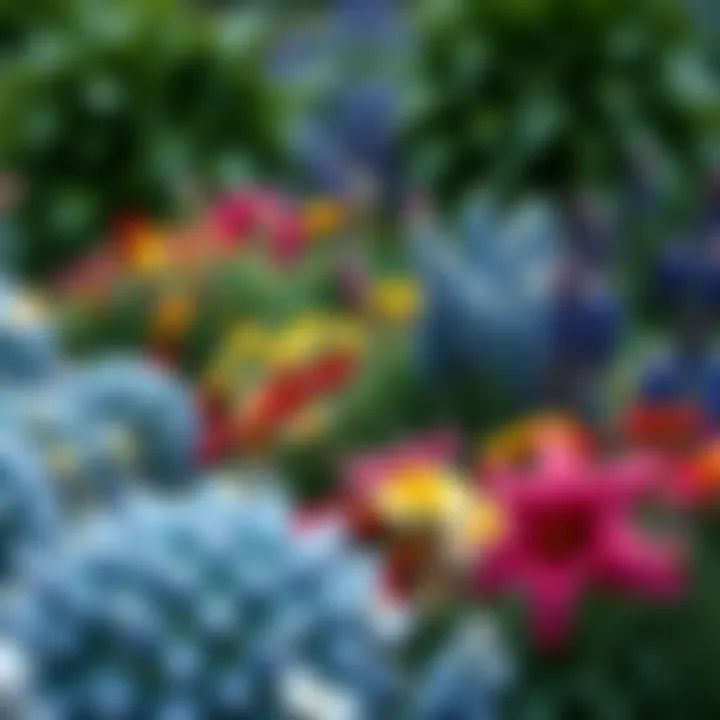
Spring is akin to a breath of fresh air after a long, dreary winter. In the world of gardening, it signifies renewal and reawakening. As the days grow longer and warmer, the dormant plants start to stir. A splendid array of bulbs like tulips, daffodils, and hyacinths can offer a vibrant splash of color and fragrance, inviting pollinators back into your space. Consider integrating early-flowering perennials such as phlox or orange daylilies, which bring not just colors, but also textures through their lush foliage.
It's crucial to arrange these plants effectively; placing taller species at the back and shorter ones in front will ensure that all layers are visible.
"Spring plants are not just colors; they are the first notes of a symphony in your garden."
Summer: Full Bloom and Vibrancy
As summer reaches its peak, the garden truly comes alive. This is the time when most blooms are at their most vibrant and lush. Think of integrating heat-tolerant plants such as zinnias or cosmos, which thrive under the summer sun.
Planning for summer borders involves ensuring there's continuous color throughout the season. To keep things fresh, rotate annuals to maintain visual interest. Including plants with varied leaf shapes, such as lamb's ear or hostas, can add depth and texture. The key is to create a tapestry of colors with layered heights, so the border doesn’t appear one-dimensional.
Autumn: Rich Hues and Foliage Changes
As the air cools, autumn brings a kaleidoscope of colors, with leaves turning brilliant shades of orange, red, and yellow. For a stunning autumn display, choose foliage plants like Japanese maples which add not only color but also grace with their elegant shape. Additionally, planting asters and sedums will provide a late splash of color.
This is also the ideal time to consider textural contrasts; integrating ornamental grasses or evergreens can create a sense of structure as other plants die back. Autumnal tones can enrich the overall landscape, allowing it to serve as a canvas of vibrant hues against the backdrop of a cooling sky.
Winter: Evergreens and Structural Interest
Winter can seem stark and barren, but it offers an opportunity to show off the architectural beauty of your garden’s structure. Incorporating evergreens like holly, boxwood, or juniper can provide continuity and interest even in the harshest months.
Don't forget about the shapes; there are many evergreens, from round to spiky, and they can be paired with striking features such as ornamental branches or even stone elements. Arrange these strategically to draw the eye to focal points that stand out amidst the landscape.
With thoughtful planning, winter borders can bring a serene beauty that invites appreciation even when the rest of your garden lies dormant.
Ultimately, seasonal considerations in border planting are about understanding the cycles of nature and harmonizing your garden's narrative with it. It's about selecting the right plants, in the right places, at the right times. This balance will not only enhance the aesthetic quality of your space but also create an environment where flora can thrive.
Common Mistakes in Border Planting
Proper border planting can elevate the aesthetic quality of outdoor spaces, yet many people stumble over common mistakes that diminish their efforts. By being informed of these pitfalls, homeowners and gardening enthusiasts can improve their border design strategy significantly. Let's explore some frequent errors, providing insight into their impacts and how to avoid them.
Overcrowding: Effects on Plant Health
One of the most prevalent missteps in border planting is overcrowding. Folks often have big dreams of lush, vibrant borders and tend to plant too many species too close together. While the intention may come from a desire for a dense effect, cramming plants together can lead to severe repercussions.
When plants are too far in each other's personal space, vital resources like sunlight, water, and nutrients become scarce. This struggle can result in weak, anemic plants that fail to thrive. Moreover, overcrowding can encourage pest infestations and diseases, simply due to the proximity of plants to one another, creating a perfect storm for problems.
To prevent this, it is essential to do thorough research on the mature size of plants being incorporated. A little planning goes a long way. Ideally, give plants ample breathing room, or follow a guideline such as planting perennials at least one to two feet apart, depending on their type. Plan ahead and don’t just fill the gaps for the sake of instant gratification.
Neglecting Soil Quality and Drainage
Just like humans need a good diet to thrive, plants rely on quality soil to flourish. It may seem simplistic, but the importance of soil quality cannot be overstated. Neglecting this fundamental aspect can lead to disappointment with border achievements.
Poor soil can lead to compacted ground not allowing for adequate drainage, trapping moisture and harming roots. As a result, plants may develop root rot or other maladies that put their health at risk. To avoid such scenarios, it’s wise to test the soil pH and nutrient levels before planting. Incorporating organic materials such as compost not only improves the soil structure but also enhances its fertility, which promotes healthier growth.
It's recommended to aim for soil that drains well yet retains enough moisture for plant needs. A loose, loamy soil often works wonders. Remember, good soil sets the stage for a robust border, so don’t take it lightly.
Ignoring Seasonal Changes
Ignoring the shifts brought on by seasonal changes can lead to a border that looks lackluster at best and barren at worst. Each season presents unique opportunities for beauty in gardens, but not all plants perform well year-round.
For instance, a border overly reliant on summer bloomers will inevitably result in dullness once fall rolls around. It’s crucial to select plants that provide varying colors and textures throughout the year. Consider incorporating a mix of evergreens that bear visual interest in winter, paired with deciduous plants that offer glorious flowers in spring and summer.
Moreover, it might be beneficial to include plants that change in hue or form, ensuring your border presents a constant evolution. Every season can contribute something special; it just requires a mindful selection of plants that shine at different times.
"Successful borders are planned with an understanding of how seasonal shifts impact plant life."
By taking these common mistakes into account, you can better tailor your border planting to foster healthier plants and a more visually appealing outdoor space. Remember, it's not only about aesthetic appeal; it’s about creating a sustainable environment for plants to thrive!
End: The Art of Border Planting
In this journey through the world of border planting, we've seen how these simple yet impactful arrangements can transform a garden into more than just a patch of green. Border planting serves as the backbone of landscape design, creating structure, directing movement, and fostering an intimate connection between diverse plant species. The art lies not only in the selection of plants but in the thoughtful consideration of their placement and the story they tell together.
Emphasizing Personal Style and Creativity
Every gardener has a unique vision, and border planting is a fantastic canvas to express that individuality. Imagine walking through a path lined with perennials that reflect your favorite colors—a riot of reds, yellows, and blues that brings a smile to your face every time you step outside. It’s crucial to let your personal style shine through, whether that means opting for a minimalist approach with clean lines or indulging in a wild, bohemian vibe through layered textures and an assortment of shapes.
When choosing plants for borders, consider what resonates with you. Think beyond conventional selections and experiment with unusual varieties, textures, and colors. For instance, incorporating ornamental grasses alongside succulent options can blend soft and rigid forms that enthrall the senses.
Encouraging Experimentation in Garden Design
Gardening isn't a static endeavor; it's a dynamic process that thrives on exploration. This is where experimentation plays a pivotal role. Don't be afraid to shake things up with your border designs. Swap plants seasonally or try unique combinations that you might not typically consider.
Start with a base of hardy evergreens and explore how seasonal annuals can complement them. Engage your creative instincts by embracing the unexpected. Use empty spaces to introduce new plants or rotate colors, textures, and heights as the seasons change.
"In gardening, as in life, versatility is key—adapt and flourish."
By embracing experimentation, you allow your garden to evolve into something that reflects your current taste while accommodating the growth patterns and preferences of your plants.
Ultimately, the art of border planting lies in harmoniously blending your unique style with the joy of gardening itself. As you dabble with colors, forms, and textures in your outdoor spaces, remember that every step is a chance to innovate and personalize your environment.